
Managing Pressure Drop Control Effectively for Equipment Damage Prevention
- Apr 27
- 4 min read
Updated: May 12
Managing pressure drop is a critical task in many industrial settings. When pressure drops too much or too quickly, it can cause serious damage to equipment. This damage leads to costly repairs and downtime. I have seen firsthand how effective pressure drop control can save money and extend the life of machinery. In this post, I will share practical tips and insights on managing pressure drop control effectively, focusing on equipment damage prevention.
Understanding Equipment Damage Prevention Through Pressure Drop Control
Pressure drop happens when fluid flows through pipes, valves, or other equipment and loses pressure. This loss can be due to friction, changes in pipe diameter, or obstructions. If not managed properly, pressure drops can cause cavitation, vibration, and even pipe bursts. These issues directly harm equipment.
Preventing damage means controlling how much pressure drops and where it happens. For example, sudden pressure drops near pumps or valves can cause cavitation. Cavitation forms bubbles that collapse violently, damaging metal surfaces. By controlling pressure drop, you reduce the risk of cavitation and extend equipment life.
To prevent damage, I recommend:
Regularly inspecting pipes and valves for wear or blockages.
Using pressure sensors to monitor pressure changes in real time.
Installing pressure relief valves to avoid sudden pressure spikes.
Designing systems with gradual changes in pipe diameter to reduce turbulence.
These steps help maintain steady pressure and protect equipment from harm.

Key Strategies for Equipment Damage Prevention in Pressure Drop Control
Effective pressure drop control requires a combination of design, monitoring, and maintenance. Here are some strategies I use to prevent equipment damage:
Optimize Pipe Design
Use smooth pipes with minimal bends and fittings. Sharp bends increase turbulence and pressure loss. Gradual transitions in pipe diameter help maintain steady flow.
Select Proper Valve Types
Some valves cause more pressure drop than others. For example, globe valves have higher pressure drops compared to ball valves. Choose valves that match your system’s flow requirements.
Implement Flow Control Devices
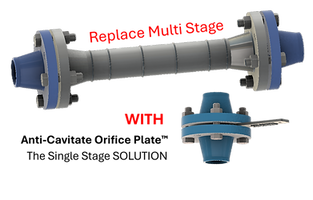
Devices like orifice plates or flow restrictors can help manage pressure drop. However, they must be sized correctly to avoid excessive pressure loss.
Monitor Pressure Continuously
Install pressure sensors at critical points. Real-time data allows quick response to abnormal pressure drops.
Schedule Regular Maintenance
Clean pipes and valves to remove deposits that increase friction. Replace worn parts before they cause failures.
By combining these strategies, you create a system that controls pressure drop effectively and protects equipment.
What is the Rule of Thumb for Pressure Drop in Pipe?
A common rule of thumb for pressure drop in pipes is to keep it below 10% of the system’s total pressure. This guideline helps ensure that pressure loss does not significantly affect system performance or cause damage.
For example, if your system operates at 100 psi, aim to keep pressure drop under 10 psi across the pipe length. Exceeding this can lead to problems like cavitation or pump overload.
Another practical tip is to maintain flow velocity between 3 and 10 feet per second in most industrial pipes. Higher velocities increase pressure drop and wear on pipes.
Remember, these are general guidelines. Each system is unique, so always consider specific conditions like fluid type, temperature, and pipe material.
Practical Examples of Managing Pressure Drop Control
Let me share some real-world examples where managing pressure drop made a difference:
Chemical Plant Pump System
A chemical plant had frequent pump failures due to cavitation. By installing pressure sensors and adjusting valve settings, they reduced sudden pressure drops. This change cut pump repairs by 40% in one year.
Mining Operation Pipeline
A mining site struggled with pipe bursts caused by pressure spikes. Engineers redesigned the pipeline with gradual bends and added pressure relief valves. The result was a safer system with fewer leaks.
Power Plant Cooling System
In a power plant, high pressure drop in cooling water pipes caused inefficient heat transfer. Cleaning the pipes and replacing old valves lowered pressure drop and improved cooling efficiency.
These examples show how simple changes in pressure drop control can prevent equipment damage and save money.

How to Choose the Right Pressure Drop Control Solutions
Choosing the right pressure drop control solutions depends on your system’s needs. Here are some tips to guide your selection:
Assess Your System
Understand where pressure drops occur and why. Use flow simulations or pressure mapping tools.
Consider Durability
Select materials and devices that withstand your fluid type and operating conditions.
Look for Simplicity
Complex systems can be costly and hard to maintain. Simple, robust solutions often work best.
Use Proven Technologies
Technologies like flow restrictors, pressure relief valves, and sensors have a track record of success.
Consult Experts
When in doubt, seek advice from engineers experienced in pressure drop control.
For systems where pressure drop is contributing to cavitation, noise, vibration, or equipment damage, it is important to understand how cavitation develops inside piping systems. The wrong restriction method can shift damage downstream instead of solving the problem.
Final Thoughts on Managing Pressure Drop Control
Managing pressure drop control is essential for protecting equipment and maintaining efficient operations. By understanding how pressure drops affect your system, applying practical strategies, and choosing the right solutions, you can prevent costly damage.
Remember to:
Monitor pressure regularly.
Maintain your system proactively.
Design with pressure drop in mind.
Use simple, effective control devices.
Taking these steps will help you keep your equipment safe and your operations running smoothly. Effective pressure drop control is not just about avoiding problems - it’s about building a reliable, long-lasting system.
Stay focused on pressure drop control, and you will see the benefits in equipment longevity and cost savings.


Comments